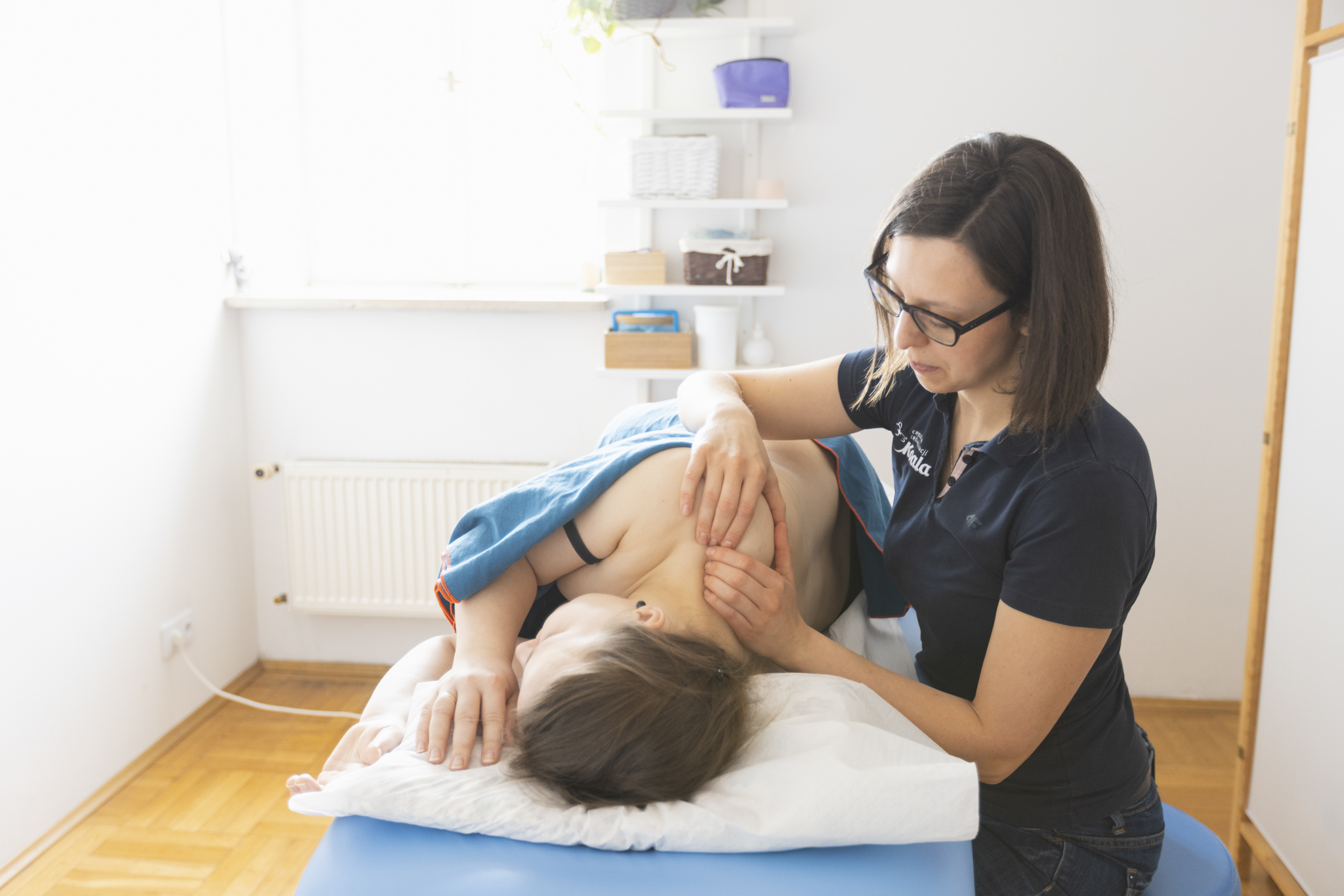
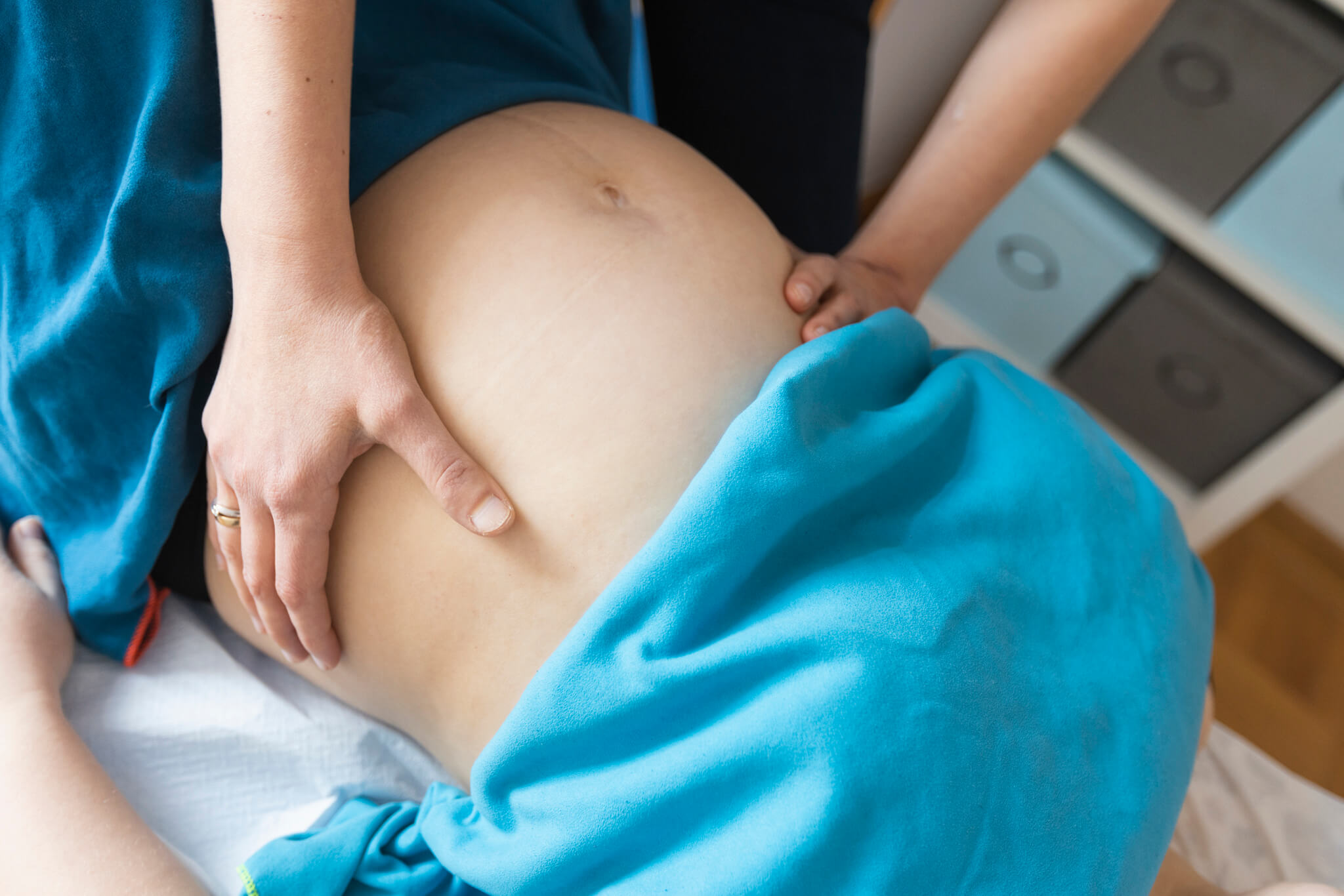
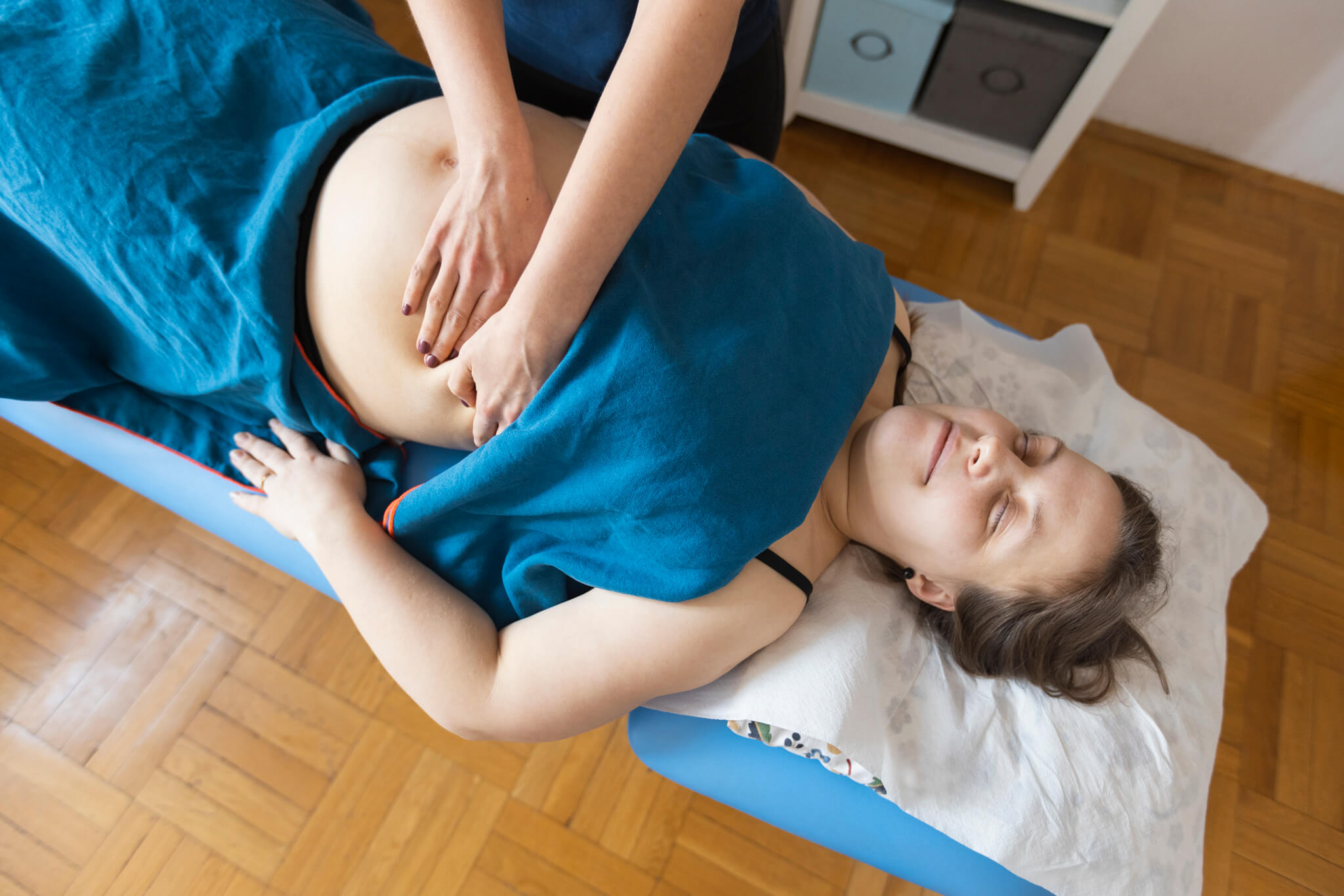
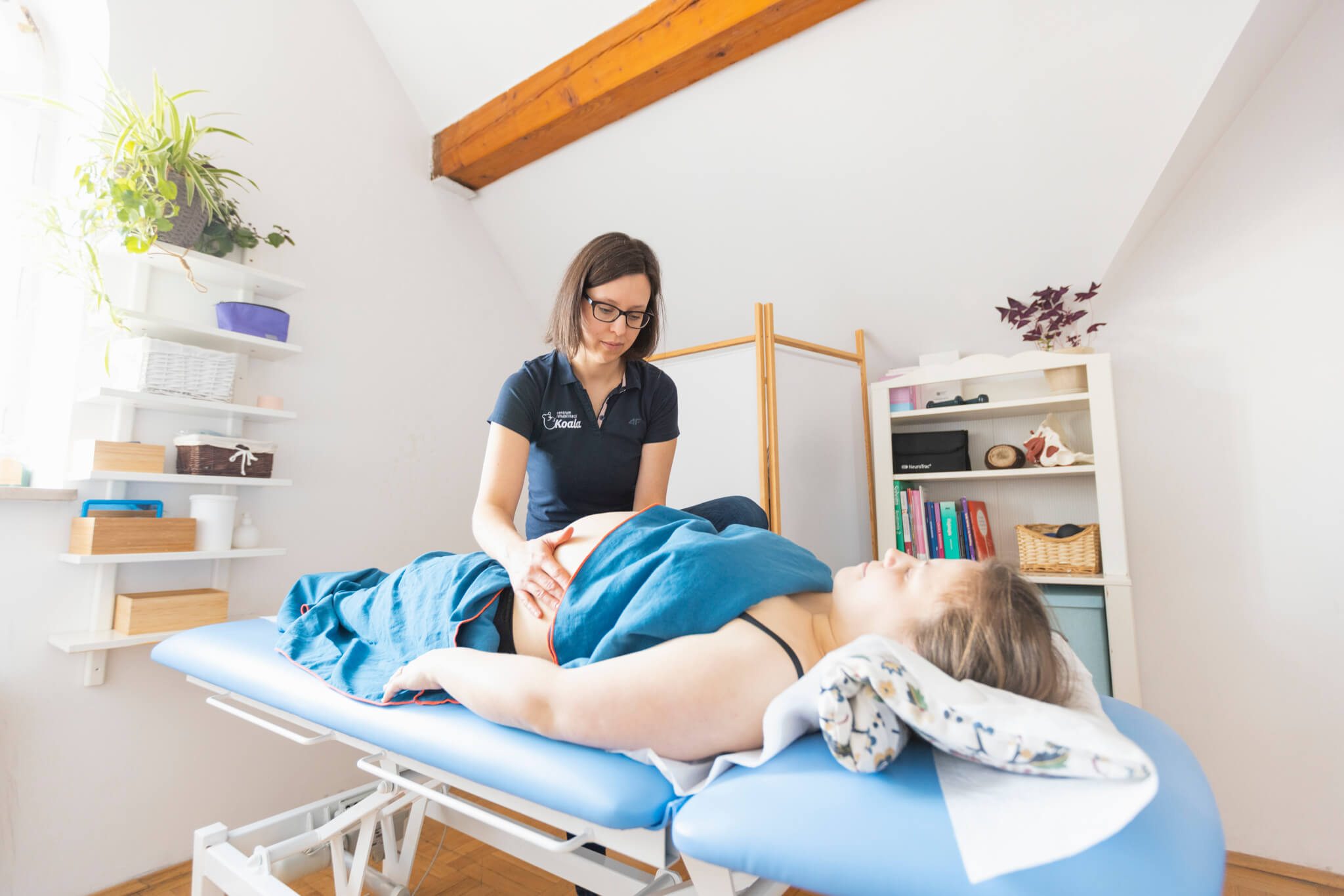
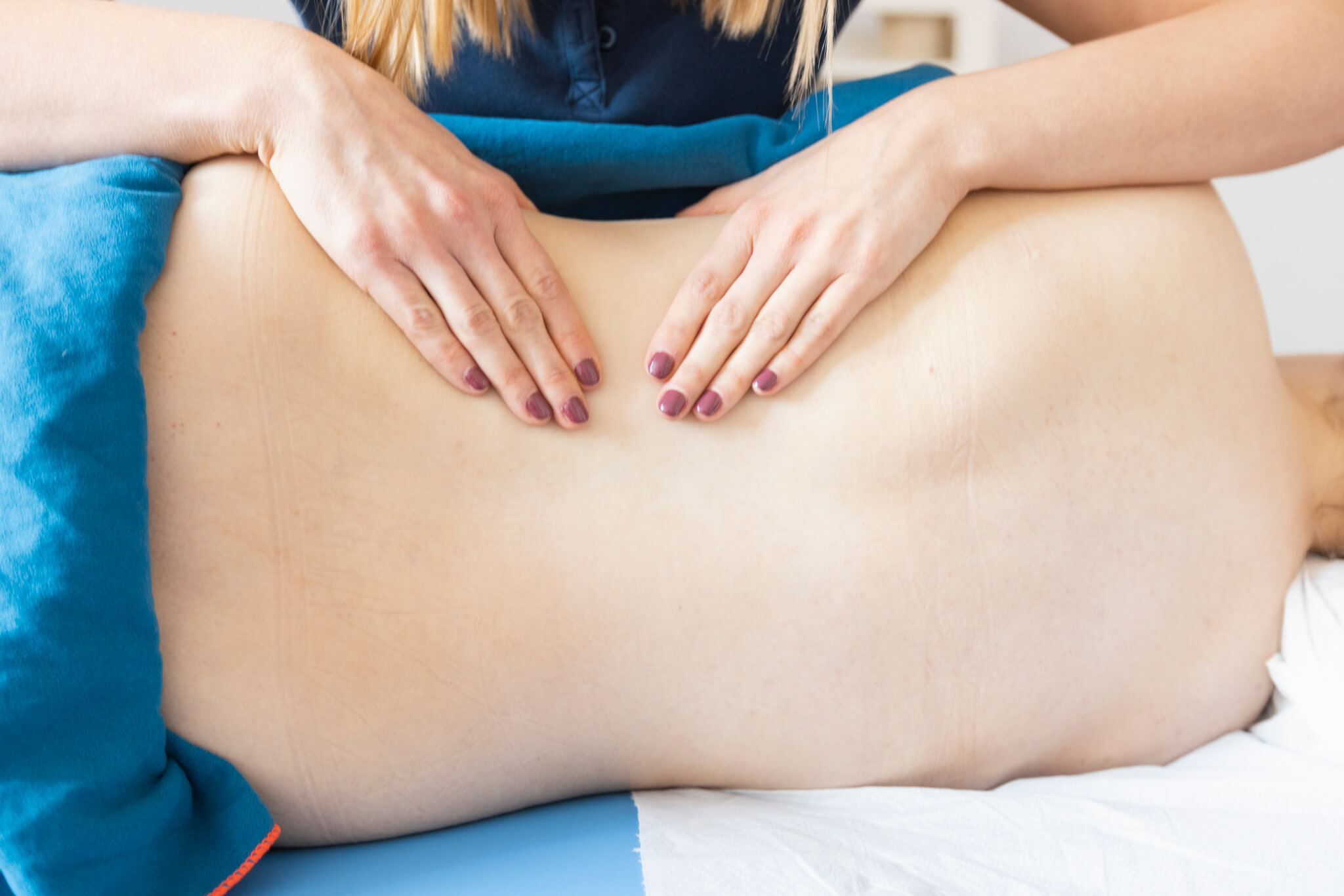
Physiotherapy for women preparing for natural childbirth or cesarean section, as well as postpartum women and those experiencing urogynecological issues. Check available appointments and book your session in the sign-up section.
Urogynecological physiotherapy
Beneficial for women who:
are pregnant or postpartum
are undergoing fertility treatment or IVF
experience urinary, gas, or fecal incontinence
have pelvic organ prolapse
have painful intercourse, sitting pain, or menstrual pain
struggle with constipation or urgency
had pelvic surgery
have scars (cesarean, episiotomy, other)
want preventive care
have pelvic varicosities or hemorrhoids
have endometriosis or adenomyosis
experience coccyx or anal pain
Prenatal physiotherapy
Why is it worth it:
reduced risk of perineal tearing
easier, more controlled delivery
faster recovery
less pain
greater confidence and calm
Postpartum physiotherapy
Why is it worth it:
faster, safer recovery
improved abdominal function after diastasis recti
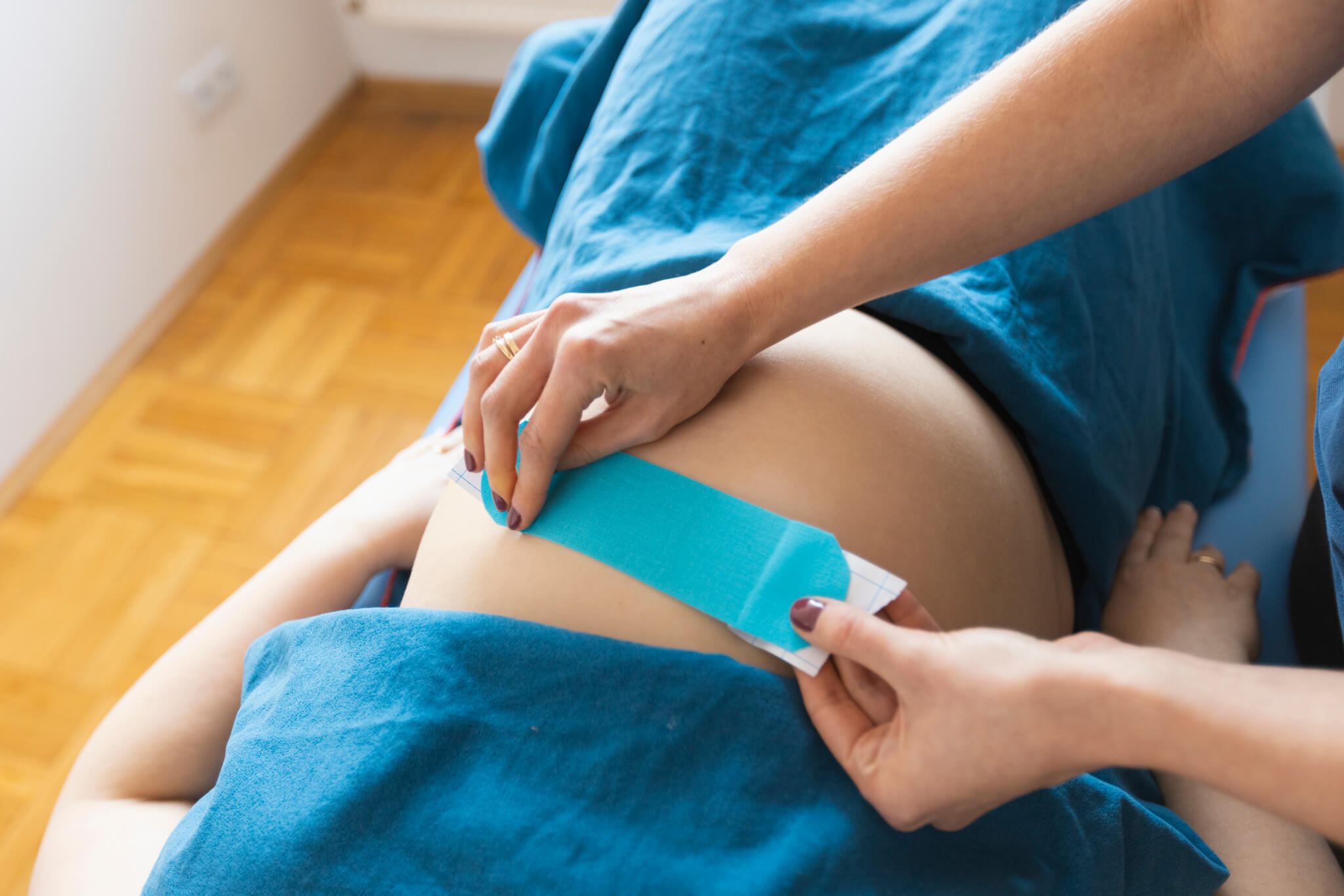
care for C-section or perineal scars
more confidence and control of your body
Personal training
A physiotherapist ensures that every movement supports your body rather than strains it. Training focuses on:
strengthening deep abdominal and pelvic floor muscles
posture
breathing and core stability
preventing back pain, diastasis, and incontinence
learning to relax the pelvic floor – essential for labour
Each session combines physiotherapy, movement, and education.
Physiotherapy for infants and children
Rehabilitation is intended for infants and children from the first weeks of life who have been diagnosed with:
muscle tone disorders,
any asymmetries,
neurological conditions,
developmental delays,
prematurity,
other medical conditions.
Sign up
Uroginecological physiotherapy for adults in English: